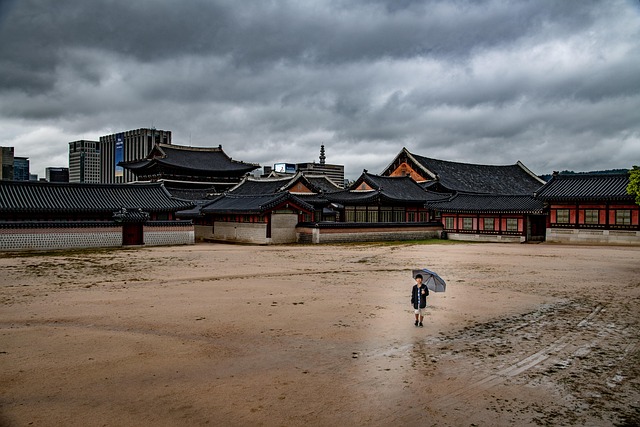
Packing for unpredictable today's weather requires a balanced approach: leverage local weather data, consider seasonal changes & geographical location, research humidity rates, and layer clothing for comfort and safety. For extreme conditions, tailor essentials to cloud formations, humidity, and wildfire risks, ensuring a secure journey amidst changing weather patterns. Stay informed through forecasts and seek expert guidance for diverse climates.
In today’s unpredictable weather patterns, packing for travel has become an art that requires both foresight and flexibility. Whether you’re embarking on a business trip or a much-needed vacation, the ever-changing climate can make preparing a challenge. This article serves as your comprehensive guide to mastering the art of packing efficiently for any weather condition. We’ll share insightful tips from seasoned travelers and experts, ensuring you’re equipped with practical knowledge to tackle unexpected weather shifts during your journeys. Get ready to embark on a transformative travel experience that’s not only smooth but also prepared for any climate.
- Research Today's Weather Naturally
- Layer Clothing for Unpredictability
- Pack Essentials: Protect from Extremes
Research Today's Weather Naturally

Packing for unpredictable weather requires a blend of foresight and adaptability. Before you begin, it’s crucial to research today’s weather naturally—a simple yet powerful step that can significantly influence your packing decisions. Start by checking local weather stations for real-time data on temperature, precipitation, humidity, and wind speed measurement. These insights provide a baseline understanding of the current conditions and trends, allowing you to anticipate potential changes.
For instance, increased wind speeds often signal an approaching front or storm system, prompting you to pack accordingly with windproof gear and waterproof items. Similarly, wildfire risk assessment becomes paramount in certain regions during dry seasons, necessitating the inclusion of essential safety equipment like fire-resistant clothing and a portable fire extinguisher. By staying informed about today’s weather naturally, you can better prepare for such events.
Additionally, consider the time of year and geographical location. Areas prone to sudden temperature drops should include warm layers, while tropical destinations may require lightweight, breathable garments. Keep evaporation rates in mind when packing liquids or moisture-sensitive items; this knowledge ensures your gear remains effective during transit. For instance, if high humidity is expected, opt for products designed to cut through the moisture, prolonging their usability.
In conclusion, researching today’s weather naturally is a proactive step that enhances your packing strategy. It enables you to pack smartly, ensuring you’re prepared for a range of conditions while minimizing the impact of unpredictable elements on your journey. For more personalized advice and expert guidance tailored to specific destinations and climates, give us a call at [evaporation rates].
Layer Clothing for Unpredictability

In unpredictable weather conditions, where today’s climate naturally fluctuates, layering your clothing is a key strategy to stay prepared and comfortable. This approach allows you to adapt to rapid changes in temperature and humidity levels, which are increasingly influenced by global climate patterns and drought monitoring. For instance, a sudden drop in temperature during an otherwise warm day can be effectively countered with strategically chosen layers, ensuring you remain cozy without feeling weighed down.
Consider starting with a base layer made of moisture-wicking materials that help regulate body temperature. This foundation is crucial, especially in regions prone to wildfire risk assessment, where quick temperature shifts can signal changing conditions. Over this, add insulating layers like fleece or wool to trap heat. The key is to be able to peel off or add layers as needed, responding to the environment without over-or underdressing. For example, during a hike in dry, hot weather monitored through evaporation rates 1-3 times higher than usual, removing a layer to prevent overheating can be life-saving.
To enhance your layering strategy, think about the microclimates you may encounter. In mountainous regions, for instance, temperatures can drop significantly at higher altitudes, necessitating adaptable clothing. Incorporate waterproof and breathable outer layers to protect against sudden storms or heavy rain, ensuring you stay dry without getting overheated when the sun reemerges. Environmental factors influence rainfall estimation, making it vital to be prepared for unexpected weather shifts.
Ultimately, packing for unpredictable weather means embracing versatility. Choose clothing that is easy to layer, quick-drying, and suitable for a range of conditions from heatwaves to sudden cold fronts. Regularly assess the forecast and prepare accordingly, ensuring you’re ready for whatever today’s weather brings—be it a warm, sunny day or a cool, unexpected front rolling in. Give us a call at [Environmental Agency/Brand] for more tailored advice on navigating unpredictable weather patterns.
Pack Essentials: Protect from Extremes

When preparing for unpredictable weather today, packing essentials that safeguard against extreme conditions is paramount. This involves considering a range of factors, from cloud formation processes and humidity indices to wildfire risk assessments. For instance, in areas prone to rapid cloud buildup and high humidity, travelers should pack lightweight yet waterproof gear; data shows sudden storms often develop unexpectedly during such conditions.
At the heart of your packing strategy, focus on layering. Isostasy and landform evolution may vary across regions, influencing temperature changes throughout the day. Layering allows you to adapt quickly. Start with breathable base layers that wick away moisture, then add insulating mid-layers like fleece or wool, and finish with a waterproof outer shell. This modular approach ensures comfort and protection against both cold and wet weather extremes.
Moreover, don’t underestimate the importance of protecting yourself from wildfire risks in certain regions. High fire danger seasons demand specific preparations: pack lightweight, flame-resistant clothing, keep your surroundings clear of flammable materials, and familiarize yourself with local evacuation procedures. Remember, preparedness can significantly enhance safety during unpredictable weather conditions.
Lastly, stay informed. Monitor local weather forecasts and be alert to changing conditions. Give us a call at Isostasy and Landform Evolution for expert guidance on packing for diverse climates—we’re here to help ensure your journeys remain enjoyable and secure in today’s ever-changing weather patterns.
By researching today’s weather naturally and understanding its unpredictability, you can effectively prepare for various conditions. Layering clothing is a key strategy, allowing you to adjust your attire based on temperature fluctuations. Packing essential items like waterproof gear and warm layers ensures protection against extremes. These simple yet powerful tips empower you to tackle unpredictable weather head-on, offering peace of mind and practicality for any journey or outdoor endeavor.
About the Author