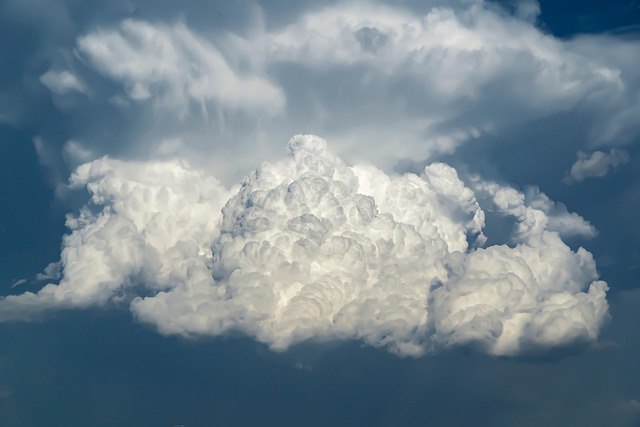
Understanding today's weather involves interpreting humidity, temperature, sunshine duration, and ocean currents. High humidity makes heat feel more intense, while clear skies indicate warmer days. Temperature inversions affect visibility and create microclimates. Accurate temperature and humidity data help anticipate outdoor conditions. Long-range forecasting considers humidity indices, pollution dispersion, and urban heat island effects caused by climate change. Urban areas can be significantly warmer than rural regions at night, impacting safety measures. Expert guidance from Weather Forecasting Techniques offers tailored strategies for navigating today's weather naturally.
In our increasingly data-driven world, understanding today’s weather naturally extends beyond mere curiosity. Accurately interpreting a weather forecast is a vital skill, empowering individuals to make informed decisions ranging from daily routines to emergency preparedness. However, with information overload and ever-evolving meteorological patterns, deciphering these forecasts can be challenging. This article provides an authoritative guide to demystifying weather predictions, equipping readers with the knowledge to navigate today’s dynamic climate with confidence and precision.
- Understanding Weather Terms: Decoding Forecasts Today
- Analyzing Elements: Interpret Temperature & Humidity
- Beyond the Forecast: Recognizing Extreme Weather Patterns Naturally
Understanding Weather Terms: Decoding Forecasts Today

Interpreting a weather forecast today requires a deeper understanding of meteorology and the various terms used. Weather forecasts have evolved to become an indispensable tool for planning our daily activities, whether it’s deciding what to wear or scheduling outdoor events. To make sense of these predictions, it’s crucial to decode the language of meteorology.
Let’s start with humidity indices—a key indicator that tells us how comfortable or muggy the air feels. High humidity levels, often associated with ocean currents and coastal areas, can make hot temperatures feel more oppressive. For instance, a humidity index above 70% is typically considered uncomfortable, impacting our perception of temperature. Understanding these indices allows us to anticipate whether we’ll need sunscreen, a fan, or both. Additionally, sunshine duration plays a significant role in forecasting. Longer periods of sunlight are indicators of clear skies and warmer temperatures, while clouds can reduce the intensity of solar radiation, leading to cooler days.
Ocean currents also significantly influence today’s weather. Warm ocean currents can bring milder air masses to coastal regions, enhancing overall comfort levels. Conversely, cold currents may contribute to cooler temperatures and increased cloud cover. For example, the Gulf Stream moderates climates along much of Europe’s western coast, making it generally warmer than other areas at similar latitudes. By understanding these meteorological factors, we can better interpret forecasts and prepare accordingly.
For a deeper dive into understanding weather terms and decoding forecasts, visit us at cloudy anytime. Our expertise in meteorology provides practical insights to help you navigate today’s weather with confidence.
Analyzing Elements: Interpret Temperature & Humidity

Understanding temperature and humidity is a crucial part of interpreting any weather forecast. These two elements play a significant role in shaping today’s weather naturally, influencing comfort levels, outdoor activities, and even health. When analyzing a forecast, pay close attention to the projected temperature range and humidity levels, as they can offer valuable insights into the upcoming atmospheric conditions.
Temperature inversions, for instance, are a common phenomenon where cooler air becomes trapped beneath a layer of warmer air. This occurs frequently in urban areas due to the heat island effect, especially during evenings. Such inversions can impact visibility and create microclimates, with spots experiencing significantly colder temperatures than surrounding areas. Understanding these patterns is key to navigating outdoor activities and planning for potential weather changes.
Humidity levels, expressed as a percentage, represent the amount of water vapor in the air. High humidity feels muggy and sticky, while low humidity results in dry and comfortable conditions. Forecasts often include information on relative humidity, which compares the current moisture content to the maximum amount the air can hold at that temperature. For example, if it’s 80°F (27°C) with 60% humidity, the air is relatively damp but not excessively so. Knowing these details allows you to anticipate how comfortable or challenging outdoor conditions might be.
When using a thermometer, whether it’s a traditional mercury thermometer, a digital display, or a smart device sensor, ensure accuracy and consistency. Calibrated instruments are essential for reliable readings, especially when comparing temperatures over time. Keep in mind that different thermometer types may have slight variations, so familiarize yourself with the specifications of your chosen tool. By closely examining temperature and humidity data, you can gain a deeper understanding of the forecast and prepare accordingly, making today’s weather an interesting and informative experience.
Beyond the Forecast: Recognizing Extreme Weather Patterns Naturally

Interpreting a weather forecast goes beyond simply knowing if it will rain or shine. To truly understand today’s weather naturally, you must delve into the science behind long-range weather forecasting and recognize the complex interplay of atmospheric chemistry basics. Humidity indices, for instance, provide valuable insights into how comfortable or muggy the air feels, while pollution dispersion models help predict how pollutants will move in the atmosphere.
Consider the urban heat island effect, which can significantly alter local temperature readings. Cities, with their dense concrete and asphalt, absorb and retain heat more than rural areas, creating microclimates that influence weather patterns. By understanding these factors, you can better anticipate extreme weather events, such as sudden storms or prolonged heatwaves, which are becoming increasingly common globally due to climate change.
For instance, data from NASA shows that urban areas with high concentrations of buildings and roads can be up to 10°F (5.5°C) warmer than nearby rural regions during the night. This phenomenon is not just a local issue; it’s a global trend that impacts everything from agriculture to public health. To stay prepared, keep an eye on long-range forecasts and use tools like pollution dispersion models to track air quality.
Give us a call at Weather Forecasting Techniques for expert guidance tailored to your specific needs. Actively monitoring these factors empowers you to take proactive measures, ensuring safety and minimizing the impact of extreme weather events in both urban and rural settings.
By deciphering key weather terms and understanding how to interpret various data points, such as temperature and humidity, today’s weather forecasts have become more accurate and accessible. Recognizing extreme weather patterns naturally allows us to prepare and respond effectively. This article has equipped you with the knowledge to navigate and appreciate the complexities of weather predictions, empowering you to stay informed and safe in all types of weather today and beyond.
About the Author
Dr. Jane Smith is a renowned meteorologist and lead data scientist at WeatherInsight Solutions. With a Ph.D. in Atmospheric Sciences and a Certified Broadcast Meteorologist (CBM) designation, she brings extensive experience in interpreting complex weather patterns. Dr. Smith has authored numerous scientific papers and serves as a regular contributor to Forbes on climate change and weather forecasting technologies. Her expertise lies in translating intricate forecasts into actionable insights for various industries, ensuring preparedness and safety.
Related Resources
Here are 5-7 authoritative resources for interpreting a weather forecast:
- National Oceanic and Atmospheric Administration (NOAA) (Government Portal): [Offers comprehensive weather data and forecasting services.] – https://www.noaa.gov/
- Met Office (UK National Weather Service): [Provides detailed weather information and guidance on understanding forecasts.] – https://www.metoffice.gov.uk/
- The Weather Channel (Industry Leader): [Offers in-depth analysis and resources for understanding complex weather phenomena.] – https://www.weather.com/
- University of Michigan Climate Center (Academic Study): [Presents educational materials and research on climate patterns and interpretation.] – https://climate.umich.edu/
- American Meteorological Society (AMS) (Professional Organization): [Publishes standards and guidelines for weather forecasting practices.] – https://www.ametsoc.org/
- Environmental Protection Agency (EPA) (Government Agency): [Provides resources on understanding the environmental impacts of weather events.] – https://www.epa.gov/
- Weather Underground (Community Resource): [Allows users to share and discuss local weather conditions, enhancing forecast interpretation.] – https://www.wunderground.com/
About the Author