Reading weather maps involves interpreting symbols for atmospheric conditions like pressure systems, temperature gradients, precipitation, and cloud cover. Key elements include isobars, thermals, humidity indices, and color-coded areas. Understanding these signs allows accurate forecasting and informed decisions based on today's weather naturally.
Cloud types classified by altitude and thickness offer clues about stability and precipitation. Satellite imagery, radar, and sensors monitor cloud movement in real time, enhancing forecast accuracy. Global warming impacts cloud behavior, requiring adapted data analysis. Local weather stations provide region-specific insights.
Deciphering temperature gradients and cloud cover is crucial for predicting local and global climate trends. Practice with calibrated tools enhances understanding of natural processes influencing today's weather naturally.
Reading weather maps enables staying informed about today's weather, anticipating changes, and taking proactive measures to prepare for potential disasters. Regular practice with reputable sources improves interpretation skills.
Understanding weather maps is an invaluable skill in today’s world where accurate forecasts are essential for planning and safety. However, interpreting these visual representations can be daunting due to their complexity. This step-by-step guide aims to demystify the process, empowering readers with the knowledge to decipher weather maps effectively. We’ll explore how to navigate the various symbols, color codes, and data layers to gain insights into temperature, precipitation, cloud cover, and wind patterns. By the end, you’ll be equipped to analyze and interpret these maps with confidence, ensuring you’re always prepared for what the weather naturally brings.
- Understanding Weather Map Symbols Today
- Deciphering Cloud Layers and Patterns
- Interpreting Temperature Gradients Naturally
- Tracking Rainfall and Wind Directions
Understanding Weather Map Symbols Today

Reading a weather map today requires a keen eye for understanding its intricate symbols, which offer valuable insights into atmospheric conditions. Each icon and line represents a specific aspect of the weather, from temperature inversions to humidity indices—a comprehensive guide that meteorologists rely on. Let’s delve into deciphering these signs, focusing on the symbols that paint the picture of today’s weather naturally.
Weather maps employ various graphical elements, including isobars for pressure systems and thermals for temperature gradients. For instance, rising thermals indicate areas of convection, often associated with cloud formation and potential thunderstorms. Evaporation rates play a role in how these thermals appear on the map; higher evaporation can intensify them. Humidity indices, calculated using temperature and moisture data, are also depicted visually, helping to assess comfort levels and potential heat or cold risks. Radioactive dating in geology, while not directly related to weather mapping, offers historical climate insights that contribute to our understanding of current patterns.
Some symbols require careful interpretation. Color-coded areas represent different types of precipitation and cloud cover, with shades indicating intensity. For instance, deep red on a weather map signifies intense rainfall or severe storms. Temperature inversions, often depicted as sharp lines, indicate sudden changes in atmospheric temperature, which can affect air quality and create pockets of cold air trapped below warmer layers. Visit us at temperature inversions anytime to explore these phenomena further. By familiarizing yourself with these symbols, you gain a deeper appreciation for the science behind weather forecasting and can make more informed decisions based on today’s weather conditions naturally.
Deciphering Cloud Layers and Patterns

Reading a weather map is an art that combines understanding atmospheric phenomena with deciphering intricate visual representations. Deciphering cloud layers and patterns is a crucial step in interpreting these maps accurately. Cloud cover and their associated patterns offer valuable insights into today’s weather naturally, as well as provide context for forecasting future conditions and identifying microclimates.
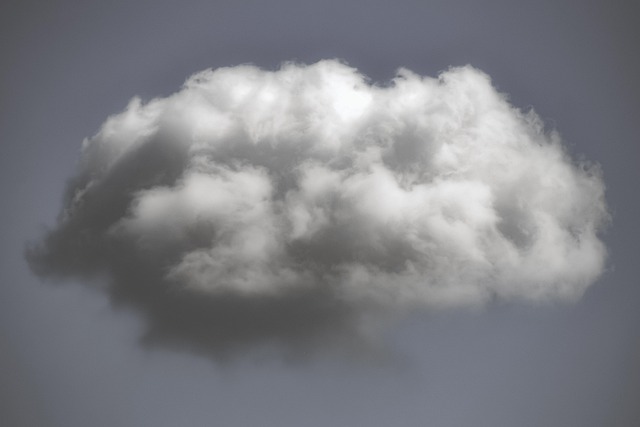
Clouds are classified based on their altitude and thickness, with each type offering distinct clues about atmospheric stability and precipitation potential. For instance, cumulus clouds, appearing as fluffy white patches, often indicate fair weather, while stratocumulus clouds, rolling grey layers, can signal an approaching front and possible changes in wind and humidity. By observing the height and density of cloud layers, meteorologists employ advanced weather forecasting techniques to predict systemic weather patterns and microclimates, which are localized variations within a larger climate zone.
Weather alerts systems rely heavily on accurate data collection methods, including satellite imagery, radar technology, and ground-based sensors. These tools enable experts to monitor cloud movement and associated weather fronts in real time, enhancing the precision of forecasts. The impact of global warming also influences cloud behavior, leading to changes in their distribution and patterns. As temperatures rise, certain cloud types may shift altitude or frequency, requiring continuous adaptation of data analysis techniques for accurate interpretation. For a deeper understanding and practical application, we encourage you to visit us at local weather stations anytime, where our experts can provide valuable insights and guidance tailored to your region.
Interpreting Temperature Gradients Naturally
Reading a weather map involves deciphering intricate patterns to understand global climate trends, predict local conditions, and even monitor droughts or assess the potential for weather modification. One crucial aspect often overlooked is interpreting temperature gradients, which offer insights into today’s weather as well as long-term natural cycles. Let’s explore this step by step, focusing on practical application and expert perspective.
Start by examining color gradients on the map. Warmer hues typically indicate higher temperatures, while cooler shades represent colder air masses. Pay close attention to transitions between these colors; abrupt changes suggest sharp temperature gradients, often associated with front lines or storm systems. For instance, a rapid shift from blue (cold) to red (warm) might signal an approaching warm front, a significant weather modifier. Cloud cover also plays a role; overcast conditions can mask temperature variations, while clear skies allow for more precise readings via meteorological instruments calibrated to account for atmospheric conditions.
Consider global climate patterns in conjunction with the map data. El Niño and La Niña events, for example, significantly impact temperature gradients across vast regions, influencing everything from drought monitoring in North America to rainfall patterns in Southeast Asia. Understanding these patterns requires long-term analysis of weather maps and their relationship to ocean currents, which can offer valuable insights into today’s weather naturally.
Actionable advice includes keeping a close eye on cloud cover when interpreting temperature gradients, especially during uncertain weather periods. Additionally, visit us at [NAP/brand] to explore how ocean currents impact global climate patterns. Remember that mastering this skill requires consistent practice and reference to well-calibrated meteorological instruments. By integrating these insights into your weather analysis, you’ll gain a deeper understanding of natural processes and their influence on today’s weather conditions.
Tracking Rainfall and Wind Directions

Reading a weather map is an essential skill for anyone wanting to stay informed about today’s weather naturally and prepare for potential weather-related disasters. When tracking rainfall and wind directions, pay close attention to the various symbols and colors used on these maps. Each feature represents specific data points that provide valuable insights into atmospheric conditions. For instance, dense concentrations of red or orange hues usually indicate heavy precipitation, while lighter shades may suggest light rain.
Humidity levels play a significant role in weather patterns, and skilled interpreters can gauge these by observing the map’s moisture content measurement indicators. High humidity, often depicted by darker green or blue areas, can lead to increased cloud cover and potential fog formation. Conversely, lower humidity, shown as lighter shades, typically indicates clearer skies. These nuances are crucial for understanding air quality index values, which directly correlate with weather conditions; high humidity can contribute to poor air quality, while drier air often promotes better breathing conditions.
Wind direction is another critical aspect. The map will usually feature arrows or specific color codes indicating wind speed and direction. For example, north-facing arrows pointing upwards suggest winds blowing in from the cold north, potentially bringing cooler temperatures and clearer skies. Conversely, south-blowing winds could signal warmer, more moist air masses moving in. By deciphering these patterns, individuals can anticipate changes in weather conditions and take proactive measures to prepare for any potential impacts, especially when it comes to extreme weather events.
To enhance your weather map interpretation skills, practice regularly using reputable sources. Websites like our own, Cloudy, offer detailed guides and interactive tools to help you understand various weather phenomena. Remember, the more you study these maps, the easier it becomes to decipher their complex data, ultimately empowering you to stay one step ahead of nature’s ever-changing dynamics.
By mastering today’s weather map reading skills, you can efficiently interpret atmospheric conditions naturally. Understanding key symbols, cloud patterns, temperature gradients, rainfall, and wind directions equips you to forecast weather changes accurately. This guide offers a practical framework for navigating weather maps, allowing you to stay informed and prepared in response to Mother Nature’s ever-evolving dynamics. With these insights, readers can confidently navigate and decipher weather maps, enhancing their ability to anticipate and adapt to the elements.
About the Author