Climate change significantly alters today's weather naturally, causing shifts and extremes. Key impacts include more frequent heatwaves, altered precipitation patterns, increased extreme weather events, and evolving microclimates. To adapt, communities must enhance early warning systems, improve infrastructure resilience, and adopt sustainable agricultural practices. Understanding local climate dynamics is crucial for implementing effective adaptive strategies. By embracing evidence-based approaches, communities can build resilience against the unpredictable nature of today's weather.
Climate change is reshaping today’s weather patterns, with profound implications for communities worldwide. Understanding the intricate relationship between climate change and local weather is paramount for effective adaptation and mitigation strategies. This article delves into the multifaceted impact of climate change on our natural weather cycles, exploring how rising temperatures, altered precipitation patterns, and extreme weather events are reshuffling the deck of atmospheric conditions. By examining these changes, we gain valuable insights into the future of our planet’s climate and equip ourselves with knowledge to navigate an ever-evolving meteorological landscape.
- Understanding Climate Change's Role in Shaping Today's Weather
- The Complex Relationship Between Global Warming and Local Climates
- Extreme Weather Events: A Direct Result of Climate Alteration
- Long-Term Impacts on Seasonal Patterns and Their Natural Variability
- How Climate Change Affects Rainfall, Droughts, and Water Cycles
- Strategies for Adaptation: Preparing for Unpredictable Weather Conditions
Understanding Climate Change's Role in Shaping Today's Weather

Climate change is increasingly recognized as a significant factor influencing today’s weather patterns, causing shifts and extremes that demand our attention. Understanding its role involves delving into complex scientific relationships between atmospheric conditions and rising global temperatures. One powerful tool in this understanding is radioactive dating in geology, which helps us analyze past climate conditions, revealing long-term trends and providing context for current changes. This data shows that the current rate of warming is unprecedented in recent millennia, leading to profound impacts on weather systems globally.
The effects are far-reaching and multifaceted. For instance, warmer temperatures contribute to more frequent and intense heatwaves, altering local ecosystems and posing significant health risks. Additionally, climate change disrupts precipitation patterns, leading to increased rainfall in some regions and prolonged droughts in others. These shifts can result in extreme weather events, such as powerful storms and unprecedented snowfall accumulation, challenging infrastructure and communities worldwide. Microclimates, once stable and localized, are now evolving, impacting agricultural practices and requiring adaptation strategies.
To navigate these changes, effective weather safety precautions become paramount. This includes enhancing early warning systems, like sophisticated weather alerts, to enable timely responses to impending dangers. For example, advanced modeling and data analysis can predict the path of a storm with remarkable accuracy, allowing for proactive measures to protect lives and property. Moreover, as we grapple with these challenges, it’s crucial to examine regional evaporation rates, as they play a vital role in local water availability—a key aspect of climate adaptation. Give us a call at [Brand/Organization] to learn more about how we can harness data and technology to build resilience against the impacts of climate change on today’s weather.
The Complex Relationship Between Global Warming and Local Climates

The relationship between global warming and local climates is intricate and multifaceted, challenging our understanding of today’s weather patterns. As the Earth’s atmosphere warms due to rising greenhouse gas emissions, local climate dynamics become increasingly complex, leading to unpredictable shifts in temperature, precipitation, and extreme weather events. This complexity necessitates a nuanced approach to weather prediction and safety precautions.
One of the primary effects of global warming is the intensification of the water cycle, resulting in more frequent and severe rainfall in some regions while causing prolonged droughts in others. These changes impact snowfall accumulation, crucial for maintaining water supplies and shaping local ecosystems. For instance, the Rocky Mountains have witnessed significant reductions in snowpack over recent decades, with implications for downstream communities reliant on river flows. Weather modification techniques, such as cloud seeding, are being explored to mitigate drought impacts and enhance precipitation in affected areas, but these methods require meticulous meteorological instruments calibration to ensure accuracy.
Furthermore, warming temperatures can alter local wind patterns, affecting air quality and the dispersion of pollutants. This has significant implications for urban areas where air pollution is already a pressing issue. Expert meteorologists emphasize the critical role of continuous data collection and accurate modeling to predict and mitigate these impacts. By giving us a call at Cloudy, communities can access the latest weather safety precautions tailored to their specific needs, ensuring resilience in the face of an ever-changing climate. Implementing adaptive strategies, based on reliable data and scientific insights, is essential for building a more resilient future amidst these complex climate dynamics.
Extreme Weather Events: A Direct Result of Climate Alteration
The impact of climate change on local weather patterns is becoming increasingly evident, with extreme weather events becoming more frequent and intense worldwide. Today’s weather isn’t simply a reflection of natural seasonal changes; it’s being directly altered by escalating global temperatures. This phenomenon has profound implications for communities worldwide, from coastal regions to inland areas. Extreme weather events, such as hurricanes, storms, and heatwaves, are intensifying due to the warming atmosphere, with severe consequences for infrastructure, agriculture, and public health.
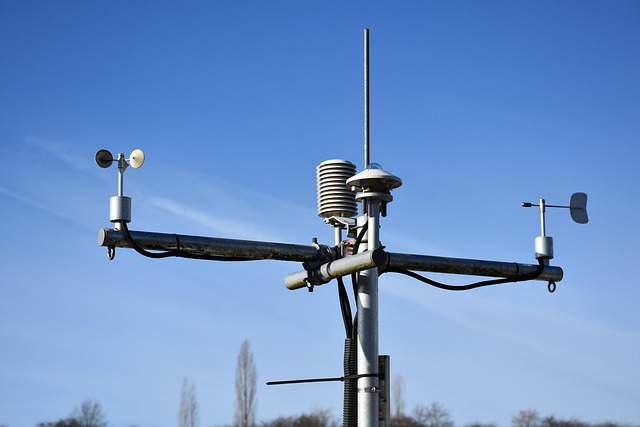
One of the critical contributors to these changes is the atmospheric pressure role. As global temperatures rise, so does the amount of moisture that air can hold. This increased humidity leads to more powerful storms and heavier rainfall. Predicting severe storms has become a complex task due to these shifting patterns, requiring sophisticated models and regular barometric readings to track rapidly changing conditions. For instance, data shows that hurricanes are becoming stronger and more frequent in certain regions, causing widespread destruction and displacement.
To mitigate the worst effects of climate-altered weather, communities must adapt and implement strategies to build resilience. This includes enhancing early warning systems for extreme events, improving infrastructure to withstand harsher conditions, and transitioning to more sustainable agricultural practices. By understanding the direct connection between climate change and today’s weather, we can take informed action to protect our environments and ensure safer, more secure futures for all. Stay tuned to reliable sources, like ours at [Brand Name], for the latest insights and practical steps to navigate these challenges.
Long-Term Impacts on Seasonal Patterns and Their Natural Variability
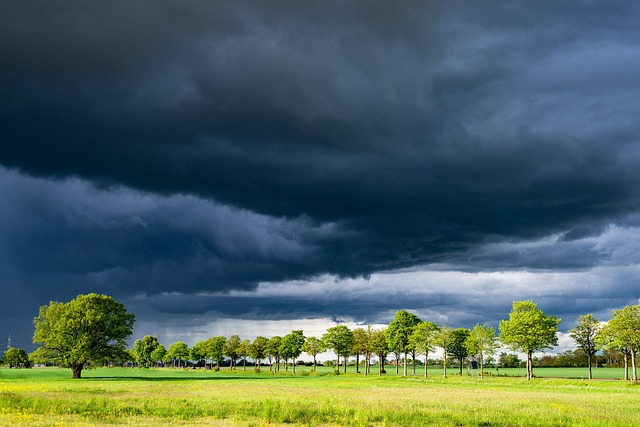
Climate change is profoundly altering global weather patterns, with significant implications for seasonal dynamics and their inherent variability. Today’s weather is no longer solely governed by natural cycles; it is increasingly influenced by anthropogenic factors, leading to long-term shifts that challenge traditional climate models. These changes manifest across diverse climate zones, disrupting the intricate balance of ecosystems and human societies alike.
The impact on seasonal patterns is multifaceted. Warmer temperatures accelerate melting in polar regions, altering atmospheric circulation patterns and potentially weakening jet streams. This can result in more extreme weather events, as observed in increased frequency and intensity of heatwaves, droughts, and storms globally. For instance, data indicates that the Arctic is warming at twice the rate of the global average, with significant implications for local ecosystems and global climate zones. Volcanic activity effects, though less direct, also play a role by injecting aerosols into the atmosphere, temporarily influencing cloud formation processes and thereby affecting temperature patterns.
Natural variability, once a cornerstone in understanding weather, now operates within a new framework. Climate change introduces unpredictable elements, making it challenging to forecast short-term weather with precision. This volatility has profound implications for agriculture, water resource management, and disaster preparedness. For instance, the Western United States is experiencing prolonged droughts linked to climate change, highlighting the need for sophisticated drought monitoring systems like those offered by Global Climate Patterns. Adopting an adaptive approach that incorporates these new realities is crucial for communities worldwide to navigate today’s increasingly unpredictable weather patterns.
How Climate Change Affects Rainfall, Droughts, and Water Cycles

Climate change significantly alters today’s weather patterns by intensifying existing climate variability, leading to more extreme rainfall events and prolonged dry spells. The global warming impact on local weather is complex, influenced by intricate interactions between solar radiation, cloud formation processes, and atmospheric circulation. These factors collectively shape rainfall distribution, drought severity, and water cycles worldwide. For instance, data collection methods from satellites and ground stations reveal that rising temperatures have led to increased evaporation rates, subsequently enhancing precipitation in some regions while depleting others’ moisture levels.
One of the most pronounced effects is the intensification of storms, resulting in heavier rainfall within shorter durations. This phenomenon disrupts natural water cycles, leading to both flash floods and prolonged periods of excess moisture that can contribute to soil erosion and agricultural losses. Moreover, climate change causes shifts in pressure systems, altering wind patterns and steering storm tracks, which further complicates regional weather predictions. As global temperatures continue to rise due to human activities, the frequency and intensity of extreme weather events are expected to increase, exacerbating existing challenges related to water availability and management.
To mitigate these impacts, it’s crucial to understand local climate dynamics and implement adaptive strategies. Communities can enhance their resilience by adopting sustainable land management practices that preserve soil health and promote water retention. Additionally, urban areas can employ green infrastructure solutions like permeable surfaces and green roofs to manage stormwater runoff during heavy rainfall events. Visit us at cloudy anytime for more insights on these adaptive measures and how they contribute to navigating the changing climate landscape. By embracing evidence-based approaches and fostering collaboration among scientists, policymakers, and communities, we can collectively work towards a more resilient future in the face of these significant global challenges.
Strategies for Adaptation: Preparing for Unpredictable Weather Conditions
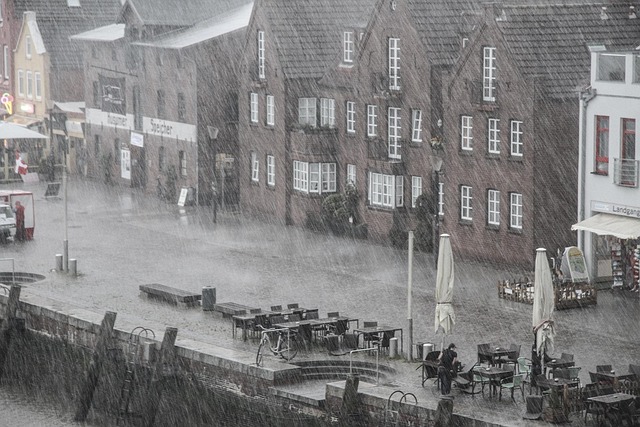
Climate change is reshaping today’s weather patterns, introducing increasing uncertainty into local climates worldwide. This phenomenon isn’t just about rising temperatures; it alters microclimates, distorts precipitation patterns, and intensifies extreme weather events, making traditional forecasts less reliable. For instance, regions once known for mild summers might experience scorching heatwaves, while areas accustomed to consistent rainfall could face prolonged droughts. Understanding these changes is crucial for adaptation, especially when today’s weather naturally becomes unpredictable.
Identifying local microclimates is a key step in preparing for future conditions. Microclimates, distinct from the broader regional climate, are small-scale weather patterns influenced by geographical features like topography, bodies of water, and vegetation. For example, urban areas often experience temperature inversions due to concrete and asphalt absorbing heat during the day and releasing it slowly at night, creating a warmer microclimate than surrounding rural regions. Knowing these variations empowers communities to implement targeted adaptation strategies. Weather alert systems, leveraging modern technology, can notify residents of impending severe storms or sudden changes in barometric readings, offering crucial lead time for preparation.
Adapting to unpredictable weather requires a multi-faceted approach. Communities should invest in resilient infrastructure designed to withstand extreme temperatures and varying precipitation patterns. This could include water conservation measures during droughts and improved drainage systems to handle increased rainfall. Additionally, diversifying agricultural practices to suit changing climate conditions ensures food security. For instance, moving from drought-sensitive crops to more resilient varieties or implementing smart irrigation systems that adjust watering based on real-time weather data. By embracing these strategies, communities can better navigate the challenges posed by a changing climate and protect their well-being.
To stay prepared, visit us at Predicting Severe Storms for expert insights and tools. Understanding microclimates, utilizing advanced weather alerts, and implementing adaptable practices are not just options but essential steps in safeguarding our future against the impacts of climate change on local weather.
The article has illuminated the profound impact of climate change on today’s weather patterns, unveiling a complex yet crucial connection between global warming and local climates. Key insights reveal how rising temperatures alter extreme weather events, disrupt seasonal variability, and significantly influence rainfall and droughts. Understanding these dynamics is essential for implementing effective adaptation strategies to prepare for unpredictable weather conditions. By recognizing the direct correlation between climate change and today’s weather naturally, we can foster a more proactive approach to mitigate risks and build resilience in the face of evolving environmental challenges. This authoritative exploration equips readers with invaluable knowledge to navigate and adapt to the changing climate landscape.
About the Author