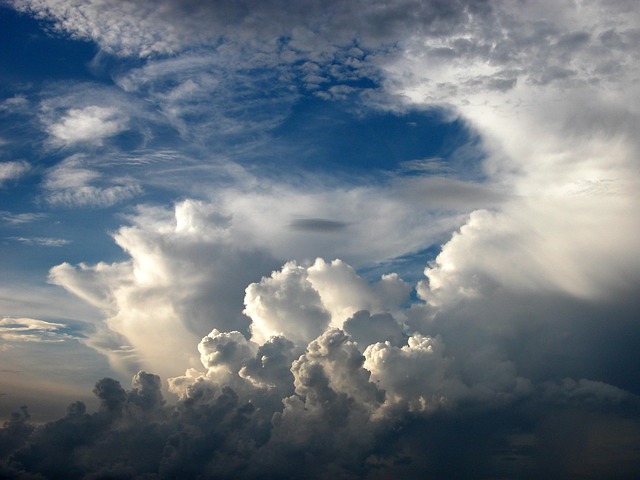
Climate change drastically alters today's weather globally, causing more intense hurricanes, extreme heatwaves, altered precipitation, and disrupted atmospheric patterns. Understanding greenhouse gas effects, natural variability, and using tools like numerical models and remote sensing is crucial for accurate predictions. Strategies to mitigate impacts include reducing emissions, enhancing resilience, adopting sustainable land use practices, and implementing smart irrigation systems. Communities must tailor these approaches to naturally adapt to changing weather conditions for effective climate change mitigation and adaptation.
Climate change is reshaping today’s weather patterns, impacting local communities globally. Understanding these effects is crucial for adaptation and mitigation strategies. The problem lies in the complex interplay between warming temperatures, changing atmospheric circulation, and ocean currents, all of which contribute to more frequent and intense extreme weather events. From prolonged droughts to severe floods, these changes disrupt ecosystems, economies, and daily life. However, by examining historical data and leveraging advanced models, scientists are unraveling these impacts, providing insights essential for developing effective strategies to safeguard communities and infrastructures in the face of a changing climate.
- Understanding Climate Change Dynamics Today
- Weather Patterns: Shifts and Extreme Events
- Local Impacts: Adapting to Changing Climates Naturally
Understanding Climate Change Dynamics Today

In understanding today’s weather dynamics, climate change significantly alters global atmospheric patterns. The complex interplay of solar radiation interactions, atmospheric chemistry basics, and long-range weather forecasting mechanisms is increasingly affected by rising temperatures and changing atmospheric compositions. This has profound implications for local climates worldwide.
One notable impact is the shift in hurricane formation conditions. Warmer sea surface temperatures facilitate more intense and frequent tropical cyclones, altering storm tracks and potentially intensifying weather events in vulnerable coastal regions. Moreover, climate change influences atmospheric circulation patterns, leading to shifts in jet streams and mid-latitude storms. These changes disrupt typical weather patterns, making long-range weather forecasting more challenging. For instance, data shows a significant increase in the frequency and intensity of extreme weather events globally, indicating a need for enhanced adaptation strategies.
To navigate these dynamics effectively, we must delve into the fundamentals of atmospheric chemistry and solar radiation interactions. Understanding how greenhouse gases trap heat and influence cloud formations is crucial. Additionally, exploring natural climate variability, such as El Niño and La Niña phenomena, alongside anthropogenic factors, offers insights into today’s weather anomalies. For example, the rapid retreat of glaciers and ice sheets contributes to sea-level rise, affecting coastal ecosystems and communities. As previously mentioned, these interconnected elements necessitate a holistic approach to understanding and mitigating the impacts of climate change on local weather.
In this evolving landscape, leveraging cutting-edge tools like advanced numerical models and remote sensing technologies is essential for accurate predictions and informed decision-making. By embracing these methodologies, we can enhance our ability to anticipate and adapt to changing weather patterns, ultimately fostering more resilient communities. Remember that the dynamics of today’s weather are intricate and ever-changing; staying informed and proactive is key in this ongoing process. Find us at isostasy and landform evolution for a deeper dive into these critical discussions.
Weather Patterns: Shifts and Extreme Events

Climate change is significantly altering today’s weather patterns, with far-reaching implications for local climates worldwide. These shifts manifest in various forms, from prolonged heatwaves to heightened frequency and intensity of extreme weather events. Understanding these changes requires a deep dive into specific meteorological phenomena. For instance, heatwaves, characterized by sustained periods of abnormally high temperatures, have become more frequent and severe, with consequences for public health, agriculture, and ecosystems.
One notable effect is the disruption of temperature inversions—where cooler air becomes trapped beneath a layer of warmer air—which can lead to poor air quality and hazardous driving conditions. Moreover, shifts in precipitation patterns are evident, with some regions experiencing increased rainfall and others facing prolonged droughts. These changes impact water resources, agriculture, and ecosystems, disrupting natural balances and requiring adaptations in land-use practices.
To mitigate the worst effects, experts emphasize the need for comprehensive strategies that include reducing greenhouse gas emissions and enhancing resilience. For instance, measuring moisture content in air and soil can provide valuable insights into drought severity, aiding in early warning systems and water conservation efforts. Additionally, visiting us at air mass characteristics can offer profound insights into atmospheric dynamics, helping to predict and prepare for these evolving weather patterns. By understanding heatwaves, temperature inversions, and other phenomena, communities can implement practical measures to safeguard public health and infrastructure during extreme weather events.
Local Impacts: Adapting to Changing Climates Naturally

The local impacts of climate change on today’s weather are becoming increasingly evident as global temperatures rise. One of the most significant natural adaptions is the alteration in atmospheric pressure, which influences wind patterns and weather systems. As climates shift, so too do these pressures, leading to changes in air mass characteristics and resulting in altered weather conditions locally. For instance, regions once known for mild, consistent breezes might experience more erratic winds due to the destabilization of high-pressure systems. This can have profound effects on ecosystems and human activities that depend on predictable weather patterns.
Additionally, isostasy—the rise or fall of land masses in response to ice load changes—and landform evolution play a crucial role in local weather patterns. As global temperatures warm, glacial retreat and sea-level rise are reshaping coastal areas, influencing temperature and humidity levels inland. Higher humidity indices, for example, can lead to increased moisture in the air, resulting in more frequent and intense rainfall events. This shift in precipitation patterns can cause significant disruptions to local ecosystems, agriculture, and water resources management.
To adapt to these changing climates naturally, communities must embrace resilient strategies that consider the unique characteristics of their region. This includes implementing sustainable land use practices, such as preserving natural buffers along coastlines and rivers to mitigate flooding risks. Enhancing urban green spaces can also help mitigate the urban heat island effect, while smart irrigation systems can ensure efficient water usage during periods of altered precipitation patterns. By understanding the interconnection between atmospheric pressure, isostasy, landform evolution, and humidity indices, we can develop more effective strategies that support local ecosystems and communities in the face of a changing climate.
Find us at [Air Mass Characteristics: Understanding Global to Local Impacts](https://www.example.com/air-mass-characteristics) for further insights into these complex weather phenomena. Through a combination of scientific knowledge, community engagement, and proactive measures, we can navigate the challenges posed by a changing climate, fostering more sustainable and resilient local environments for future generations.
The article offers a comprehensive insight into the multifaceted impact of climate change on today’s weather patterns and local climates naturally. Key takeaways highlight the dynamic nature of global warming, evident in shifts and intensification of weather events worldwide. Understanding these changes is crucial for adaptation and mitigation strategies. By recognizing the local impacts, from shifting growing seasons to altered precipitation patterns, communities can embrace natural solutions. These include sustainable land management practices, biodiversity conservation, and resilient infrastructure, all of which empower regions to adapt to changing climates naturally. This knowledge equips readers with practical tools to navigate an evolving environment, ensuring a more sustainable future.
About the Author