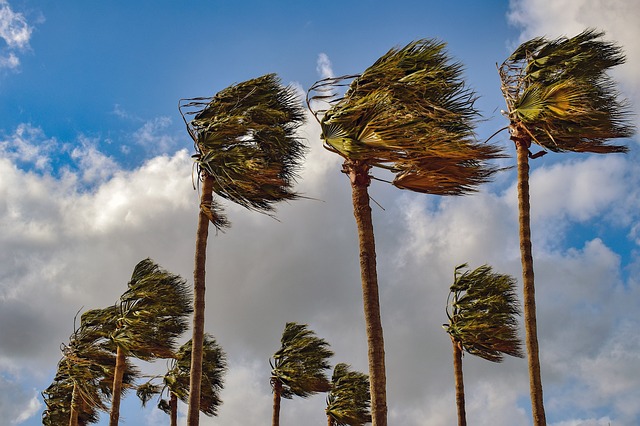
The Earth's climate system is shaped by both natural weather patterns and human influences. Key areas of study include sudden temperature changes, microclimates, and atmospheric conditions. Doppler radar monitors variations, enabling accurate weather forecasting. Geological processes and ocean currents also contribute to temperature variability. Paleoclimatic studies provide insights into rapid climate change impacts. Land and water interactions influence local temperature gradients and atmospheric stability. Human activities, releasing greenhouse gases, dramatically alter today's weather patterns, causing unpredictable temperature changes with significant impacts on ecosystems, agriculture, and human health. Mitigation strategies include sustainable practices and advanced radar technology for forecasting.
Rapid and unpredictable temperature shifts have become a growing concern, impacting everything from agriculture to human health. Understanding the causes behind these sudden changes is paramount in today’s rapidly shifting climate. This article delves into the multifaceted factors contributing to abrupt temperature fluctuations, exploring both natural weather patterns and man-made influences. By examining scientific evidence, we aim to provide a comprehensive overview that empowers readers with knowledge and fosters informed discussions on this pressing issue.
- Understanding Weather Patterns: Today's Natural Variations
- The Role of Atmospheric Conditions in Temperature Shifts
- Ocean Currents: Unraveling Their Impact on Global Climate
- Land and Water Interactions: Localized Sudden Cooling Events
- Human Activities and their Effect on Rapid Temperature Changes
Understanding Weather Patterns: Today's Natural Variations

The Earth’s climate is a complex system governed by intricate weather patterns, which today exhibit both natural variations and human-induced influences. Sudden temperature changes are often at the forefront of these dynamics, driven by various factors that interact in unexpected ways. Understanding these causes requires a deep dive into the intricacies of meteorology and the application of advanced technologies.
One key aspect is the identification of microclimates—local weather conditions distinct from surrounding areas. These variations can occur due to geographical features like mountains or bodies of water, causing sudden temperature shifts. Radar technology plays a crucial role in monitoring these changes, providing real-time data on atmospheric conditions and enabling accurate weather forecasting. For instance, Doppler radar helps track severe weather systems, allowing meteorological agencies to issue timely alerts through advanced weather alert systems. These alerts are vital for communities at risk of rapid temperature drops or rises, offering critical lead time for preparation and safety measures.
Furthermore, the natural cycle of weather modification techniques, such as cloud seeding, influences temperature patterns. By understanding solar radiation interactions and manipulating atmospheric conditions, scientists can mitigate extreme weather events. However, it’s essential to note that while these methods aim to enhance or suppress certain weather phenomena, they do not alter fundamental climate trends. Regular calibration of meteorological instruments is critical in accurately measuring these variations, ensuring data reliability for analysis and prediction. This includes temperature sensors, barometers, and hygrometers, all vital components in understanding today’s naturally occurring weather fluctuations.
The Role of Atmospheric Conditions in Temperature Shifts

Atmospheric conditions play a pivotal role in causing sudden temperature changes, significantly influencing today’s weather patterns. The intricate interplay of various factors within our atmosphere acts as a dynamic regulator, often leading to rapid shifts in thermal conditions. One primary mechanism is the atmospheric pressure role; alterations in air pressure can drive significant temperature fluctuations. For instance, high-pressure systems are known to bring clear, calm, and warmer days, while low-pressure areas often signal cloudy, cooler weather with potential for precipitation. These shifts can happen rapidly, leading to noticeable temperature changes within hours.
Furthermore, the interplay of isostasy and landform evolution contributes to temperature variability. As Earth’s surface continues to evolve through geological processes, the distribution of land and water masses influences local climate conditions. Mountain ranges, for example, can block or funnel airflow, creating unique microclimates on opposite sides—a stark contrast between the warmer, drier conditions on one side and the colder, wetter environment on the other. This phenomenon is evident in regions like the Himalayas, where temperatures can drop drastically with elevation gain.
Weather modification techniques, while complex and subject to strict regulations, also offer insights into atmospheric dynamics. These methods, involving deliberate interventions such as cloud seeding or atmospheric cooling, are employed for various purposes, including disaster mitigation and agricultural support. However, their effectiveness underscores the deep understanding required to manipulate temperature. For instance, meteorological instruments calibration is a critical aspect, ensuring precise measurements of temperature, humidity, and pressure. Data from these instruments is vital for forecasting and monitoring sudden weather shifts, allowing communities to prepare for rapid temperature changes.
In today’s world, where climate change is a pressing concern, understanding the intricate relationship between atmospheric conditions and temperature is more crucial than ever. By studying these dynamics, scientists can enhance predictive models, enabling better preparation for extreme weather events. As our knowledge expands, so too does our ability to adapt and mitigate the impacts of rapid temperature shifts, with evaporation rates being a key factor in regional climate studies—a fascinating aspect that demands continued research and exploration.
Ocean Currents: Unraveling Their Impact on Global Climate

Ocean currents play a pivotal role in shaping today’s weather patterns and are a key factor in sudden temperature changes globally. These powerful forces of nature act as a global climate regulator, transporting warm or cold water across vast distances, which significantly influences atmospheric conditions. One of the most well-known examples is the Gulf Stream, a warm ocean current that flows from the Gulf of Mexico up the eastern coast of North America, contributing to milder winters in regions like New York City compared to cities further inland.
The impact of ocean currents on temperature is multifaceted. Warm ocean currents can enhance moisture content measurement in the air, leading to increased cloud formation and potentially predicting severe storms. As water evaporates from the ocean’s surface, it carries heat with it, influencing barometric readings and atmospheric pressure, which are critical indicators of weather patterns. Conversely, cold currents can create temperature drops by transporting colder water to coastal areas, resulting in sudden changes in local climates. For instance, the California Current System brings cold water rich in nutrients along the west coast of the United States, leading to diverse marine ecosystems but also contributing to cooler summers in some coastal regions.
Paleoclimatic reconstruction techniques have revealed that ocean currents have been a driving force behind climate variability over millennia. By studying past ocean circulation patterns, scientists gain insights into how rapidly climate change can occur and its potential impacts on global temperature regulation. This knowledge is invaluable for developing sophisticated pollution dispersion models that predict the spread of pollutants in today’s atmosphere, especially during extreme weather events. For example, understanding the behavior of warm currents like the Kuroshio Current helps modelers forecast the path of air pollutants from industrial activities, ensuring more effective environmental management strategies.
To mitigate the urban heat island effect and enhance our ability to predict climate-related phenomena, continuous monitoring and study of ocean currents are essential. By integrating data from various sources, including satellite imagery and weather stations, scientists can improve climate models and provide actionable advice for communities worldwide. These insights enable us to adapt to changing climates and develop strategies to minimize the impacts of sudden temperature fluctuations.
Land and Water Interactions: Localized Sudden Cooling Events

Land and water interactions play a significant role in sudden temperature changes, particularly localized cooling events that can occur in today’s weather patterns. Water bodies, like oceans and lakes, have a substantial heat capacity compared to landmasses. This means they absorb and release heat more slowly. When a large body of water is exposed to the sun for an extended period, it heats up quickly, while surrounding land areas take longer to warm up due to their lower specific heat capacity. As a result, temperature gradients can form, leading to localized cooling effects as warmer air above the water cools down upon contact. This phenomenon is especially notable in coastal regions where significant temperature differences between land and sea can cause rapid shifts in weather patterns.
The interaction between these two elements also influences atmospheric stability. For instance, when a tsunami or storm surge pushes warm ocean water onto shore, it can lead to a sudden input of heat into the terrestrial environment, causing air temperatures to rise quickly. Conversely, during cold snaps, land areas can rapidly lose heat to the relatively warmer adjacent waters, resulting in sharp temperature drops. These events underscore the complex relationship between land and water in shaping local climates and weather conditions.
Understanding these interactions is crucial for effective meteorological instruments calibration and forecasting accuracy. Experts in meteorology study factors like sunshine duration, which varies based on cloud cover and time of day, to predict temperature fluctuations. By monitoring these variations, weather modification techniques can be employed to mitigate extreme temperature swings. For instance, snowmelt caused by sudden warm spells can lead to rapid runoff and flooding, while excessive cold snaps may result in hazardous snowfall accumulation. Weather safety precautions should always be taken into account when navigating such variable conditions.
Human Activities and their Effect on Rapid Temperature Changes
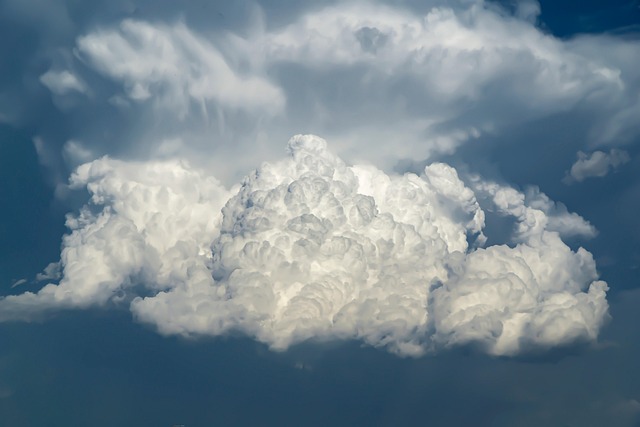
Human activities have significantly altered today’s weather patterns, leading to sudden and unpredictable temperature changes. One of the most noticeable impacts is the rapid warming or cooling events that can occur over short periods. These fluctuations are not just a nuisance; they have profound implications for ecosystems, agriculture, and human health. The burning of fossil fuels, deforestation, and industrial processes release vast amounts of greenhouse gases into the atmosphere, causing a phenomenon known as global warming. This long-term trend sets the stage for more frequent and severe weather anomalies, including rapid temperature shifts.
Interpretation of weather maps has become a critical tool in understanding these changes. By analyzing data on humidity levels, cloud formation processes, and atmospheric pressure, meteorologists can predict and track sudden temperature drops or rises. For instance, the rapid movement of cold fronts across vast areas can lead to abrupt cooling, especially in regions with high humidity. Similarly, the formation of cloudy skies, which can trap heat, may result in unexpected warm spells. Cloud coverage, often influenced by human-induced climate change, plays a significant role in regulating global temperatures.
The impact of these rapid temperature changes is far-reaching. For example, sudden cold snaps can cause power outages and transportation disruptions due to icy conditions, while sudden heat waves pose health risks, particularly for vulnerable populations. To mitigate these effects, it’s crucial to adopt sustainable practices that reduce greenhouse gas emissions. Utilizing radar technology applications, such as advanced weather forecasting systems, can provide real-time data, enabling better preparation and response to extreme weather events. By understanding the intricate relationship between human activities and today’s weather, we can take actionable steps towards a more stable and resilient climate.
Today’s weather naturally involves complex interplay between atmospheric conditions, ocean currents, land and water interactions, and human activities, all contributing to sudden temperature changes. Understanding these factors empowers us to anticipate and adapt to climate variability. By recognizing how atmospheric shifts influence global temperatures, deciphering the role of ocean currents in regional climates, and appreciating the localized effects of land and water dynamics, we gain crucial insights into today’s natural variations. Moreover, acknowledging human impacts allows for proactive measures to mitigate rapid temperature changes. This comprehensive understanding is vital for fostering resilience and shaping sustainable responses to our ever-changing climate.
About the Author