The Urban Heat Island (UHI) Effect, driven by human activities, significantly alters microclimates in cities worldwide. Topographical features and man-made structures influence temperature, humidity, and wind patterns through radiative transfer, enhancing or mitigating local climates. Mitigation strategies include green spaces, reflective building materials, efficient ventilation systems, and data-driven urban planning, fostering resilient environments in today's weather naturally. Understanding these microclimates is vital for proactive climate adaptation and global sustainable development.
Urban areas, with their dense populations and built landscapes, often present intriguing microclimates that differ significantly from nearby rural regions. Understanding these unique weather patterns is vital for urban planners, architects, and residents alike, as they impact energy consumption, environmental design, and even public safety. Today, as cities continue to grow and weather events become more extreme, deciphering these local climatic variations becomes increasingly crucial. This article delves into the multifaceted causes of microclimates in urban settings, offering insights that can inform sustainable and resilient city development strategies.
- Urban Heat Island Effect: Today's Weather Naturally Shaped
- Topographical Influences: Microclimates Where You Live
- Building Materials & Colors: Reflecting the Sky Above
- Green Spaces & Canopies: Nature's Cooler Zones
- Wind Patterns in Cities: Streamlined and Complex
- Historical Data Analysis: Uncovering Urban Climate Secrets
Urban Heat Island Effect: Today's Weather Naturally Shaped

The Urban Heat Island (UHI) Effect plays a significant role in shaping unique microclimates within urban areas, particularly in today’s weather conditions that are naturally influenced by human activities. As cities grow and develop, they create dense concentrations of buildings, asphalt, and concrete, which absorb and retain heat more efficiently than natural landscapes. This phenomenon results in elevated surface temperatures compared to surrounding rural areas, leading to a microclimate distinct from its surroundings. The UHI effect is exacerbated by various factors, including the urban layout, building materials, and the removal of vegetation. For instance, dark-colored roofs and walls absorb sunlight, heating up the built environment faster than lighter alternatives.
Predicting severe storms and understanding today’s weather patterns are integral to managing this impact. Barometric readings provide valuable insights into atmospheric pressure changes, offering early indications of potential UHI-related weather shifts. Additionally, moisture content measurement is crucial in assessing the environmental conditions that contribute to urban microclimates. Elevated moisture levels can enhance the UHI effect during certain weather events, leading to increased heat retention and potentially more intense localised temperatures. For example, data from major cities worldwide shows that during El Niño Southern Oscillation (ENSO) events, urban areas experience more pronounced temperature variations due to altered weather patterns.
To mitigate the UHI effect, urban planners and authorities can employ strategic interventions. These include increasing green spaces, promoting reflective building materials, and implementing efficient ventilation systems. Implementing these measures not only helps in predicting severe storms but also contributes to overall environmental sustainability. For instance, giving us a call at [volcanic activity effects] can provide further insights into natural climate patterns that interact with urban environments, offering a comprehensive understanding of today’s weather dynamics. By considering these factors, cities can develop adaptive strategies to create more livable and resilient microclimates despite the challenges posed by urbanisation.
Topographical Influences: Microclimates Where You Live

The topographical features of urban areas play a significant role in shaping unique microclimates, influencing temperature, humidity, and precipitation patterns right where you live. These natural phenomena are often overlooked, yet they can dramatically affect day-to-day weather conditions. For instance, cities nestled in valleys or surrounded by mountains may experience temperature inversions, where warmer air traps cooler air below, leading to prolonged periods of stagnant air and potentially heightened pollution levels. This effect is particularly noticeable in urban canyons formed by high-rise buildings, mimicking the behavior of natural valleys.
Additionally, the orientation of streets and buildings can channel wind patterns, creating local breezes that modify microclimates. For example, a city’s layout might result in a sunny side effect, where south-facing buildings receive more direct sunlight, warming the air and potentially causing areas with such structures to be several degrees hotter than neighboring regions. Conversely, cloudy conditions, occurring 1-3 times annually on average in many metropolitan areas, can result from topographical obstacles like hills or mountains blocking sunlight, leading to cooler temperatures and altered precipitation patterns.
Hurricane formation conditions are not typically favored within urban environments due to the presence of man-made structures that disrupt atmospheric flow. However, these weather events can still impact cities indirectly by introducing moisture and altering wind patterns at a local scale. To gain deeper insights into how environmental factors influence rainfall estimation in such diverse settings, visit us at [Environmental Factors Influence Rainfall Estimation Anytime]. Understanding these microclimates is crucial for urban planning, infrastructure design, and mitigating the impacts of extreme weather events that are becoming increasingly frequent in today’s changing climate.
Building Materials & Colors: Reflecting the Sky Above

The urban environment presents a unique challenge when it comes to microclimates, as buildings, roads, and infrastructure alter the natural flow of wind, temperature, and humidity. One often overlooked aspect contributing to these localized weather patterns is the clever use of building materials and colors that reflect or absorb solar radiation, mimicking the sky above. This strategic approach not only influences the immediate surroundings but also shapes the overall climate of a city.
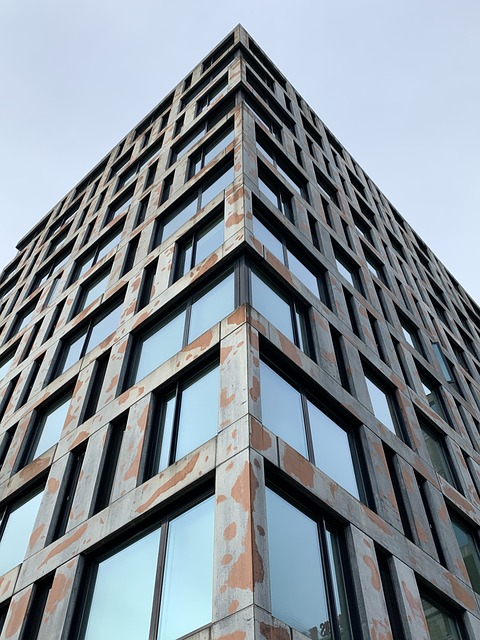
The science behind it delves into the complex interactions of solar radiation with various surfaces, known as radiative transfer. Dark-colored buildings, for instance, absorb more heat from the sun, leading to increased temperatures within urban areas, a phenomenon often referred to as the ‘urban heat island’ effect. This is especially evident in densely populated cities where vast expanses of concrete and asphalt contribute to higher surface temperatures compared to natural landscapes. Conversely, lighter-colored structures can reflect a significant portion of this radiation back into the atmosphere, cooling the surrounding area. Understanding these solar radiation interactions is crucial for architects and urban planners aiming to mitigate heat waves, a growing concern in many metropolitan areas today.
The concept extends beyond material choices; it also involves strategic design considerations. In regions with long sunshine durations, say 2-3 hours per day during summer, buildings can be oriented to take advantage of shaded areas or incorporate overhangs and canopies to reduce direct sunlight exposure. This simple design tweak can significantly impact the internal temperatures of buildings, making them more energy-efficient. For example, in cities like Los Angeles, where understanding meteorology and its impact on local climates is paramount, architects are increasingly incorporating reflective roofs and walls to combat the intense summer sun.
By embracing these strategies, urban areas can foster more sustainable microclimates while enhancing the overall well-being of their inhabitants. To learn more about navigating today’s weather patterns naturally and staying ahead of climate challenges, visit us at [Brand/NAP] where we provide expert insights on heat wave understanding exactly—ensuring your city remains a vibrant and comfortable place to live.
Green Spaces & Canopies: Nature's Cooler Zones

Green Spaces & Canopies: Nature’s Cooler Zones
Urban areas, with their dense populations and concrete jungles, often present unique challenges when it comes to understanding local weather patterns. Among the myriad factors shaping microclimates, green spaces and canopied areas emerge as powerful natural regulators, offering respite from today’s urban heat island effect. These vegetated zones play a crucial role in moderating temperature extremes, providing insights into effective urban planning and climate mitigation strategies. Data collection methods employing meteorological instruments calibrated to exacting standards have revealed that well-maintained parks and street trees can significantly influence local weather, acting as cooler oases within the cityscape.
The impact of global warming on these natural coolers is profound. As urban areas expand, replacing green spaces with impervious surfaces exacerbates the heat island effect, leading to increased energy demand for cooling. However, recent studies utilizing pollution dispersion models have highlighted that strategic planting and canopy expansion can help mitigate this effect. For instance, a 2022 study in Los Angeles showed that extensive tree coverage reduced urban temperatures by up to 5°C during peak summer days. This underscores the critical role of nature in climate adaptation, aligning with expert perspectives on sustainable urban development.
Moreover, weather modification techniques targeting green spaces can enhance their cooling capabilities. Strategic irrigation and misting systems, combined with carefully selected native plant species that thrive in urban conditions, create microclimates favorable to wildlife and human well-being alike. For example, the successful implementation of these methods in Singapore’s parks has resulted in year-round comfortable temperatures, making outdoor spaces more accessible and enjoyable for residents. These practices, coupled with regular wildfire risk assessment and management, ensure that green spaces not only thrive but also contribute significantly to urban climate resilience.
To harness the full potential of nature’s cooler zones, city planners must prioritize data-driven decision-making. This involves meticulously monitoring temperature, humidity, and wind patterns within urban green spaces using advanced meteorological instruments. By analyzing these data, cities can identify areas most susceptible to extreme weather events and implement targeted interventions. For instance, calibrating weather stations in parks and along urban water bodies can provide real-time insights into microclimate dynamics, enabling proactive measures during heatwaves or droughts. Such an approach not only enhances quality of life but also positions cities as leaders in climate-smart planning, setting a benchmark for sustainable development globally.
Wind Patterns in Cities: Streamlined and Complex

Wind patterns play a pivotal role in shaping microclimates within urban environments, creating intricate and diverse weather conditions compared to their rural counterparts. Cities, with their streamlined and dense structures, often experience wind dynamics that can be both complex and unique. As today’s weather naturally fluctuates, understanding these local wind patterns is crucial for meteorologists and urban planners alike.
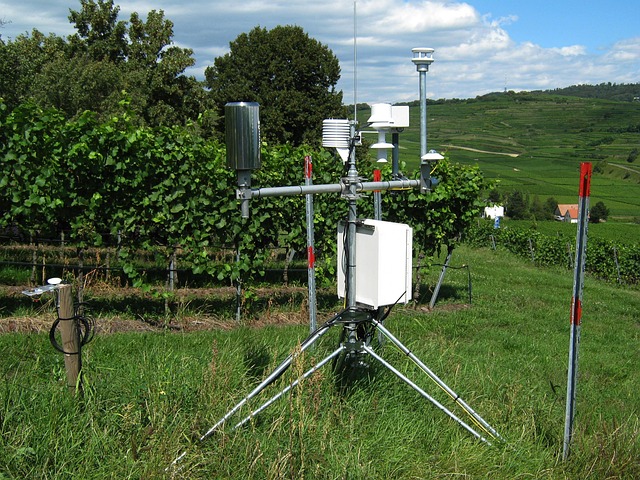
The presence of tall buildings and narrow streets in urban areas significantly influences wind behavior. These structures act as barriers and channels, deflecting, accelerating, and slowing down air currents. For instance, wind tunnel effects can occur where breezes are channeled through narrow passages between high-rise buildings, leading to increased wind speeds. Conversely, enclosed spaces may create dead zones with reduced airflow, impacting temperature regulation and ventilation. Local weather stations strategically positioned across cities help in monitoring these variations, providing valuable data for predicting severe storms and their impacts.
Weather forecasting techniques have evolved to incorporate these urban microclimates. Meteorologists utilize barometric readings and sophisticated computer models to anticipate changes in wind patterns, which can affect temperature, humidity, and precipitation distribution. By studying the interplay between the built environment and natural weather systems, forecasters enhance the accuracy of their predictions, especially for rapidly changing urban conditions. For example, evaporation rates, influenced by surface materials and wind speed, can vary significantly across a city, further complicating weather forecasting.
To navigate these challenges, experts recommend a multi-faceted approach. Urban planning should consider wind patterns to optimize natural ventilation and reduce heat islands. Additionally, integrating green infrastructure, such as parks and vertical gardens, can help mitigate the impact of urban heat and improve air quality. By embracing these strategies and leveraging advancements in weather forecasting techniques, cities can better prepare for and respond to dynamic local weather conditions.
Historical Data Analysis: Uncovering Urban Climate Secrets
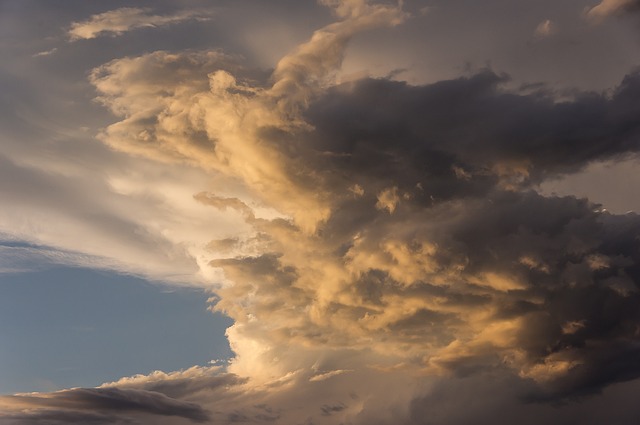
The intricate tapestry of urban microclimates is a phenomenon that has long captivated climate scientists and urban planners alike. Unveiling these unique weather patterns requires an in-depth historical data analysis, offering valuable insights into today’s weather naturally in cities worldwide. By examining past meteorological records, researchers can decipher the complex interplay of factors shaping urban climates—a process akin to solving a intricate puzzle. This approach has proven instrumental in understanding and mitigating the impacts of microclimates on city dwellers.
Historical climate data provides a window into the evolution of urban environments over time. Advanced radar technology applications have revolutionized this field, allowing scientists to track evaporation rates and cloud formation processes with unprecedented accuracy. For instance, studying historical weather patterns in metropolitan areas like Los Angeles has revealed that coastal influences significantly moderate temperature extremes within the city. Similarly, examining the microclimate dynamics of dense urban centers like Tokyo can shed light on the effects of architectural structures and vegetation on local weather conditions. These insights are crucial for designing sustainable cities that adapt to their unique climates.
Furthermore, analyzing long-term climate data sets helps identify trends and changes in urban microclimates over decades or even centuries. This historical perspective is essential for attributing observed weather patterns to natural variability or human activities, such as volcanic activity effects. For example, the dramatic changes in urban microclimates following major volcanic eruptions like Mount Pinatubo have provided valuable case studies on the long-term impacts of atmospheric particles on local weather. By understanding these connections, cities can proactively adapt to climate change and ensure resilient urban environments for future generations.
The intricate dance of today’s weather naturally shapes urban microclimates, as revealed by an exploration of the Urban Heat Island Effect, topographical nuances, building aesthetics, green spaces, wind dynamics, and historical data. Key insights include the significant role of topography in creating diverse microclimates within cities, the influence of building materials and colors that mimic the sky to regulate temperatures, and the crucial contribution of green canopies in cooling urban environments. Wind patterns, both streamlined and complex, further diversify local climates. By analyzing historical data, we uncover hidden climate secrets, empowering us to design more sustainable cities. Moving forward, integrating these knowledge points into urban planning and architecture can lead to smarter, more resilient cities that better manage microclimates, enhancing the well-being of their inhabitants.
About the Author