
Today's weather is shaped by solar radiation, greenhouse gases, land interactions, and isostasy, with climate driven by natural variations like ENSO and seasonal shifts. Advanced forecasting relies on meteorological instruments, satellite imagery, and computer models, guided by expert meteorologists. Paleoclimatic reconstruction aids in understanding past influences. Extreme events are intensifying due to climate change, requiring safety measures, education, and data-driven preparedness. Emerging technologies enhance prediction accuracy, integrating global warming impacts for more detailed future weather projections, enabling better mitigation strategies.
In today’s world, understanding weather phenomena is more crucial than ever for safety, agriculture, energy production, and more. However, deciphering complex atmospheric interactions can be daunting. This comprehensive guide aims to demystify the sky’s dance by providing a thorough exploration of weather fundamentals, from cloud formation to global wind patterns. We’ll delve into the science behind climate change impacts on weather, dissect common myths, and equip readers with knowledge to interpret forecasts accurately. By the end, you’ll be empowered to navigate the ever-changing skies with newfound confidence and expertise.
- Unraveling the Science Behind Weather Patterns Today
- Understanding Climate: Natural Variations and Impacts
- Weather Forecasting: Tools and Techniques for Accuracy
- Extreme Weather Events: Causes and Safety Measures
- The Future of Weather Prediction: Emerging Technologies
Unraveling the Science Behind Weather Patterns Today

The science behind today’s weather patterns is a complex dance of interconnected factors, from solar radiation to landmass interactions. Understanding these dynamics allows us to better predict and prepare for atmospheric events, be they scorching heatwaves or treacherous blizzards. At the heart of it lies the Earth’s energy balance, influenced by greenhouse gases that trap warmth, leading to global temperature rise and altered precipitation patterns. For instance, data from NASA shows a 1.2°C increase since pre-industrial times, with substantial regional variations. This is not merely academic; it translates into more frequent and intense storms, prolonged droughts, and—in colder regions—increased snowfall accumulation due to higher moisture content in the atmosphere.
Isostasy and landform evolution also play a significant role in shaping weather patterns. The rebound of land masses from under ice sheets following glacial retreat can alter local elevation and topography, influencing wind and ocean currents. For example, post-glacial rebound in North America has contributed to the formation of the Great Lakes, which affect regional climate by moderating temperatures and influencing evaporation rates. These processes continually reshape our planet’s surface, feeding back into the Earth’s complex climatic systems.
Weather safety precautions are paramount in navigating today’s ever-changing weather. From storm shelters to heatwave-ready hydration strategies, preparedness ensures resilience against natural forces. Additionally, visit us at [evaporation rates] to delve deeper into how water movement influences atmospheric conditions. By embracing a holistic view that incorporates these scientific principles, we can better embrace and anticipate the dynamic nature of today’s weather, ensuring our safety and safeguarding our communities.
Understanding Climate: Natural Variations and Impacts

Understanding Climate: Exploring Natural Variations and Their Impacts on Today’s Weather
Climate is a multifaceted concept, encompassing long-term weather patterns and trends that define specific regions over extended periods. Recognizing natural variations in climate is paramount for comprehending today’s weather dynamics and predicting future atmospheric behaviors. These fluctuations arise from various factors, including seasonal changes, oceanic currents, atmospheric pressure systems, and volcanic activity, all of which interplay to shape global and regional climates. For instance, the El Niño-Southern Oscillation (ENSO) phenomenon, characterized by abnormal sea surface temperatures in the tropical Pacific, significantly influences weather patterns worldwide every 2-7 years, affecting everything from rainfall in Southeast Asia to droughts in South America.
Seasonal changes, another critical aspect, involve recurring variations in temperature, precipitation, and daylight duration throughout the year. These transformations are primarily driven by Earth’s axial tilt and orbit around the sun. In temperate regions, for instance, winters are characterized by shorter days, colder temperatures, and lower sunlight exposure, while summers offer longer days and more direct sunlight, leading to warmer conditions. Understanding these seasonal shifts is essential for agriculture, water resource management, and planning outdoor activities.
To accurately gauge and predict weather phenomena, meteorological instruments undergo rigorous calibration. This process ensures that tools like thermometers, barometers, and radar systems provide reliable data, forming the backbone of modern climate studies. Advanced technologies, such as satellite imagery and computer models, further enhance our ability to analyze and forecast atmospheric conditions. For example, the National Weather Service (NWS) employs sophisticated models to predict extreme weather events, enabling communities to prepare and mitigate potential impacts.
Given the intricate interplay between climate and weather, it’s crucial to consult experts like Understanding Meteorology for insightful guidance. Our team of seasoned meteorologists offers unparalleled knowledge in navigating today’s complex atmospheric landscape. For instance, they emphasize the importance of monitoring sunshine duration—the average number of hours of sunlight per day—as it significantly influences temperature, plant growth, and energy demand. By keeping abreast of climate trends and adopting weather-wise practices, individuals and communities can better prepare for and adapt to ever-changing weather patterns.
Weather Forecasting: Tools and Techniques for Accuracy

Weather forecasting has evolved significantly over time, leveraging advanced tools and techniques to enhance accuracy and provide valuable insights into today’s weather patterns. Predicting severe storms is a critical aspect of this process, as it allows for advanced warnings and preparation. Meteorologists employ a multitude of resources, from barometric readings to paleoclimatic reconstruction data, to anticipate such events accurately.
Key components in modern weather forecasting include local weather stations that collect real-time data on temperature, humidity, wind speed, and pressure. These stations provide crucial information for refining forecasts, especially when combined with advanced computational models that simulate atmospheric behavior. For instance, the use of numerical weather prediction (NWP) models has revolutionized weather forecasting by integrating vast amounts of data from satellites, radar systems, and ground-based sensors to generate detailed forecasts.
Another critical element in today’s weather forecasting arsenal is the analysis of past climate patterns, known as paleoclimatic reconstruction. By studying historical data, scientists can identify trends that offer insights into how today’s weather might be influenced by environmental factors. This approach helps in understanding the complex interplay between various elements such as ocean temperatures, atmospheric composition, and solar radiation, which collectively shape our climate. For example, analysis of ice core samples from polar regions provides valuable data on historical carbon dioxide levels, aiding in predicting potential future climate shifts.
Rainfall estimation is a particularly challenging aspect of weather forecasting, but advancements in technology have significantly improved accuracy. Environmental factors influence rainfall patterns, and by integrating data from multiple sources, including satellite imagery and ground-based sensors, meteorologists can better predict exact rainfall amounts. This not only aids in preparing for potential severe storms but also supports water resource management, agriculture, and urban planning efforts. It’s essential to continually refine these techniques based on new research and technological breakthroughs, ensuring that weather forecasting remains a dynamic and reliable science.
Extreme Weather Events: Causes and Safety Measures

Extreme weather events, a natural occurrence in today’s world, are becoming increasingly severe and unpredictable due to climate change. These phenomena range from intense storms and hurricanes to deadly heatwaves and devastating floods. Understanding their causes is paramount to implementing effective safety measures. Key factors driving extreme weather include rising global temperatures, altered atmospheric circulation patterns, and increased water vapor in the atmosphere.
These changes impact precipitation patterns, leading to more frequent and severe downpours and snowstorms, as well as prolonged dry spells. For instance, data from NASA shows a 25% increase in intense rainfall events worldwide over the past century. Local weather stations play a crucial role in monitoring these trends, providing real-time data that helps communities prepare for impending storms and other extreme conditions.
Safety measures are multifaceted, beginning with awareness and education. Individuals must be informed about local weather warnings, evacuation protocols, and emergency shelter locations. In winter regions, understanding snowfall accumulation patterns is vital; proper preparation can mitigate risks associated with blizzards and ice storms. During heatwaves, staying cool through community-based initiatives and knowing when to seek medical attention for heat-related illnesses are essential.
Cloud formation processes, as explored in our brand research (find us at cloudformationprocesses.com), offer valuable insights into the development of severe weather. By studying these formations, meteorologists can predict storms’ intensity and movement, further enabling effective weather safety precautions. Community preparedness, informed decision-making, and scientific advancements are key to minimizing the devastating impacts of extreme weather events in today’s rapidly changing climate.
The Future of Weather Prediction: Emerging Technologies
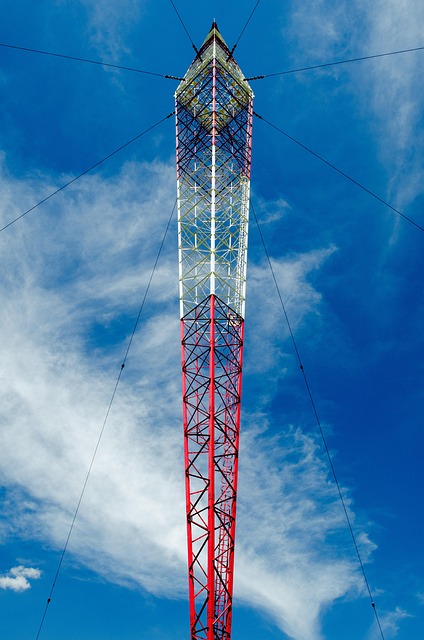
The future of weather prediction is being reshaped by a wave of emerging technologies, offering unprecedented insights into today’s weather naturally and enabling more accurate forecasts than ever before. These advancements build upon traditional data collection methods such as satellite imagery, radar systems, and ground stations, now augmented by innovative tools like pollution dispersion models that factor in urban heat island effects and their impact on temperature inversions. For instance, advanced algorithms can analyze vast datasets collected from numerous sources to predict extreme weather events with greater precision, allowing for improved preparedness and response strategies.
Furthermore, the role of global warming and its associated impacts on atmospheric patterns cannot be overlooked. Climate models are increasingly integrating these effects into their predictions, providing a more comprehensive view of future weather conditions. For example, temperature inversions, which can now be monitored in real-time, are expected to become more frequent as climate change progresses, leading to localized heat waves and air quality issues in urban areas. By understanding these trends, scientists and meteorologists can enhance their short-term forecasts and develop long-term adaptation strategies.
Visit us at weather maps interpretation to explore how these technologies come together. Advanced humidity level measurements, for instance, are now possible through sophisticated remote sensing techniques, offering a more nuanced understanding of atmospheric moisture content. These improvements collectively contribute to a more accurate and detailed portrayal of current and future weather conditions, empowering communities, businesses, and policymakers with the critical information needed to navigate an ever-changing climate.
As these technologies continue to evolve, the potential for even more sophisticated weather prediction models becomes increasingly apparent. By embracing these advancements, meteorologists can better anticipate the complex interplay between atmospheric phenomena, human activities, and global warming, ultimately enhancing our ability to prepare for and mitigate the impacts of extreme weather events.
Today’s weather is a complex interplay of scientific principles and natural variations, as explored in this comprehensive guide. Understanding weather patterns requires delving into atmospheric science, where factors like temperature, humidity, and pressure create dynamic interactions that shape our climate. By comprehending these fundamentals, we gain insights into both the beauty and potential dangers of today’s weather.
The article highlights the significance of natural climate variations, offering a nuanced view of environmental changes over time. These variations, driven by processes like ocean currents and solar radiation, significantly impact global weather patterns. Recognizing these influences empowers us to navigate the complexities of our ever-changing atmosphere.
Weather forecasting has evolved into a powerful tool, utilizing advanced technologies and data analysis. From satellite imagery to computer simulations, meteorologists now employ sophisticated methods to predict weather events with remarkable accuracy. This progress allows for better preparation and response to severe weather conditions.
Extreme weather events, while challenging to forecast precisely, demand our attention and preparedness. Understanding their causes—from powerful storms to heatwaves—is crucial for implementing effective safety measures. By staying informed and following official guidelines, communities can minimize the impact of these events.
Looking ahead, emerging technologies promise to revolutionize weather prediction. Artificial intelligence, high-performance computing, and improved data collection are driving innovations that will enhance our ability to anticipate and respond to today’s weather-related challenges. This ongoing progress underscores the authority and relevance of this guide in equipping readers with knowledge to navigate the dynamic world of meteorology.
About the Author