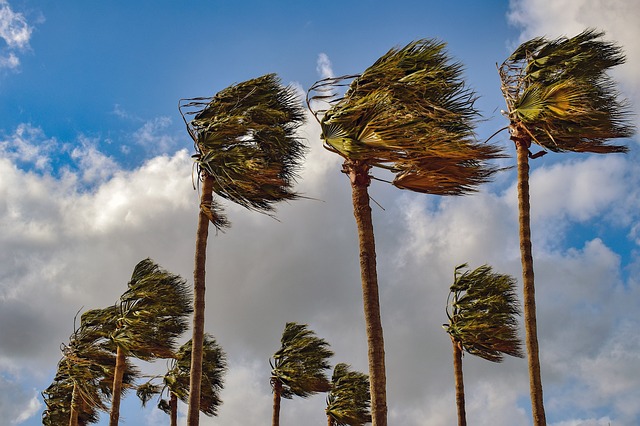
Checking today's weather is a critical skill for daily planning and safety, especially for outdoor activities. Understanding regional microclimates and weather variations impacts decisions from dressing appropriately to urban navigation. For professionals, combining local forecasts with global climate patterns offers valuable context for long-term trends and decision-making. Regularly checking weather reports allows for anticipating changes, managing risks, and ensuring safer experiences in any climate.
In today’s fast-paced world, understanding the weather is more than just a casual interest; it’s a crucial factor in planning our daily lives. Whether it’s deciding on outdoor activities, preparing for travel, or ensuring safety during extreme conditions, knowing when to consult a weather report is an essential skill. However, with information overload and varying reliability of sources, discernment becomes key. This article aims to provide guidance on navigating the quandary: “When should I check the weather report?” By delving into factors like sudden changes, planned activities, and local forecasts, we’ll equip you to make informed decisions, ensuring you’re prepared for whatever tomorrow’s weather brings.
- Understand When to Check Weather Forecasts
- Consider Your Plans and Location Today
- Evaluate Local vs Global Weather Reports
- Stay Informed: When to Expect Changes
Understand When to Check Weather Forecasts

Knowing when to check the weather report is a valuable skill that can enhance your daily planning and safety. Understanding how today’s weather naturally varies, along with regional microclimates, is crucial. Wind speed measurement, for instance, plays a significant role in outdoor activities, from sailing to hiking, where sudden changes can significantly impact conditions. Similarly, identifying microclimates within your area helps you anticipate local weather patterns that might differ from broader forecasts.
Consider the specific needs of your day-to-day life. If you’re planning a morning run, checking the weather beforehand allows you to dress appropriately and stay comfortable during your workout. Evaporation rates also come into play here; higher rates indicate increased humidity, which can affect perspiration levels and overall comfort. For those with outdoor events or work commitments, staying informed about sudden weather alerts is vital for safety and planning. Modern weather alert systems provide timely notifications for severe conditions like thunderstorms or high winds, enabling you to take necessary precautions.
Regularly consulting the weather report also lets you track long-term trends and patterns. Ocean currents, for instance, impact coastal areas significantly, affecting both temperature and wind patterns. By staying updated, you can anticipate seasonal changes and adjust your routines accordingly. Visit us at [Ocean Currents Impact] to explore more about these global forces that shape local climates. Ultimately, being mindful of when and how often to check the weather forecast empowers you to make informed decisions, ensuring a safer and more enjoyable experience in any climate.
Consider Your Plans and Location Today
When considering whether to check today’s weather report, a key factor is the alignment of your plans with the current atmospheric conditions. The weather plays an essential role in shaping our daily routines, outdoor activities, and even travel arrangements. By understanding the relevance of today’s weather, you can better prepare for various scenarios, from casual outings to important events or business trips.
The importance of checking the weather becomes particularly evident when planning activities outdoors. For instance, if you’re organizing a picnic, knowing that the paleoclimatic reconstruction indicates a high probability of sunshine will enhance your experience. Conversely, anticipating potential temperature inversions can help you pack appropriate clothing to stay comfortable during cooler evenings. Similarly, for outdoor sports enthusiasts, understanding wind patterns and atmospheric pressure changes can optimize training sessions or competitive events.
In urban areas with dense populations, the microclimates created by buildings and landscapes can significantly impact today’s weather. Localized temperature variations may occur, especially in cities experiencing rapid urbanization. This phenomenon emphasizes the need for detailed, hyper-local weather forecasts to ensure safety and comfort. For instance, a sudden drop in temperature due to urban heat island effects could prompt residents to check reports to adjust their activities accordingly. Moreover, understanding atmospheric pressure changes can help predict potential health risks, such as the impact of high-pressure systems on respiratory conditions.
As professionals in various fields, staying informed about weather conditions is crucial for effective planning and decision-making. Whether organizing large-scale events or managing construction projects, accurate knowledge of today’s weather enables us to adapt and make informed choices. Incorporating insights from radioactive dating in geology, which provides paleoclimatic data, can offer valuable context for understanding long-term climate trends and their potential impact on future weather patterns. By combining these factors with real-time weather reports, individuals and organizations can ensure they are well-prepared to navigate the atmospheric conditions of today.
Evaluate Local vs Global Weather Reports

When evaluating weather reports, understanding the distinction between local and global data is crucial for gaining a comprehensive view of today’s weather naturally. Local weather forecasts offer insights tailored to your specific region, accounting for microclimates, topographical features, and urban heat islands. These reports are indispensable for planning daily activities, from outdoor events to travel. On the other hand, global climate patterns provide a broader perspective, helping us comprehend long-term trends like seasonal shifts, El Niño events, and volcanic activity effects that can influence local conditions.
Global weather data is particularly valuable for monitoring drought, tracking storm systems at large scales, and even predicting volcanic eruption impacts on weather patterns. For instance, scientists use satellite imagery and global climate models to analyze sunshine duration—a key factor in energy production and agriculture—over extended periods. This enables us to understand how our climate is changing and adapt accordingly. Conversely, local reports help us navigate specific regions during hurricane formation conditions or severe thunderstorms, ensuring safety and preparedness.
To leverage these insights effectively, supplement your reliance on local weather forecasts with global climate data sources. Stay informed by consulting reputable meteorological agencies and following expert analyses that integrate both local observations and global climate patterns. By combining these perspectives, you’ll gain a deeper understanding of the complex interplay between meteorology and our planet’s ever-changing atmosphere.
Stay Informed: When to Expect Changes

Staying informed about today’s weather is crucial, especially when you consider how quickly it can change. Regularly checking weather reports allows you to anticipate shifts in conditions, from seasonal changes to localized microclimates. By understanding these nuances, you can prepare accordingly, whether it’s packing an umbrella for a sudden downpour or dressing in layers to adapt to a temperature swing.
Seasonal changes are a primary indicator of when to expect alterations in the weather. As we transition from winter to spring, for instance, days grow longer, and temperatures gradually rise. This marks a significant shift in atmospheric conditions, often bringing more unpredictable weather patterns. Similarly, autumn’s cooler temperatures and shorter days signal the approach of colder, snowier winters. Tracking these seasonal shifts through reliable weather reports enables you to adjust your routines and plans accordingly.
Microclimates, areas with distinct local climate characteristics, further complicate weather predictions. Urban centers, for example, can experience significantly different temperatures than nearby rural regions due to the urban heat island effect, a phenomenon exacerbated by greenhouse gas emissions. These microclimates require specific considerations when planning outdoor activities or preparing for extreme weather events. A thorough understanding of your local microclimate and its influence on today’s weather can be life-saving, especially during severe storms or high-heat periods.
To stay ahead of these changes, rely on a robust weather alerts system that provides timely, accurate updates tailored to your location. This ensures you’re prepared for any sudden shifts in conditions. Visit us at [Microclimates Identification & Weather Alerts System] to learn more about navigating today’s dynamic weather patterns and understanding the complex interplay between greenhouse gas effects and local microclimates. By embracing these insights, you can turn unpredictable weather into manageable, anticipated events.
By understanding when to check weather forecasts based on your plans and location for today’s weather, evaluating local versus global reports, and staying informed about expected changes, you can maximize the benefits of weather information. The article has provided clear guidelines on navigating these aspects, ensuring you’re prepared for whatever tomorrow may bring. Take these insights and apply them practically to enhance your daily decisions, making each day more comfortable and efficient.
About the Author